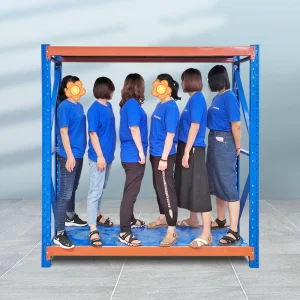
Precision engineered systems compliant with international structural safety standards.
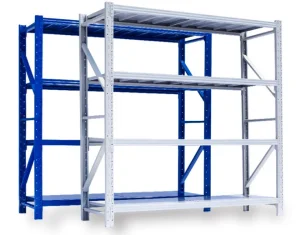
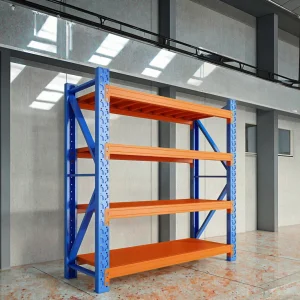
In modern industrial logistics, standard racking systems fail when faced with storing long, heavy, or non-uniform materials. Cantilever storage racks serve as the definitive solution for storing industrial items such as steel bars, timber, plastic conduit, structural framing, and automotive profiles. By eliminating frontal upright obstructions, cantilever systems offer continuous horizontal space access, optimizing lift truck routing and load configurations.
As global supply chains shift toward high-density warehousing, B2B procurement professionals look to China to procure structural and roll-formed cantilever racks. These systems must support variable structural capacities, comply with regional safety codes, and incorporate advanced corrosion protection to withstand rugged industrial environments. Selecting the right supplier involves analyzing material grades, engineering certifications, and manufacturing limits.
Shenzhen Chaoyu Goods Shelf Co., Ltd. supplies high-performance warehouse racking systems designed for modern logistics hubs.
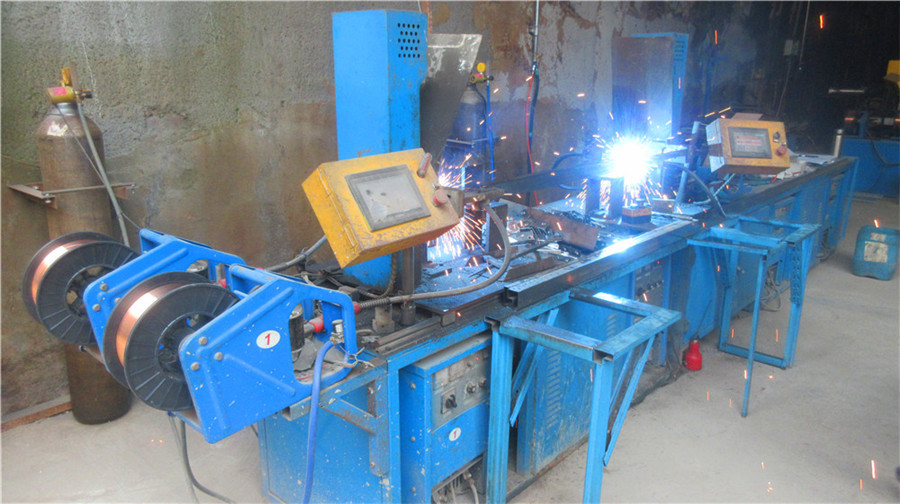
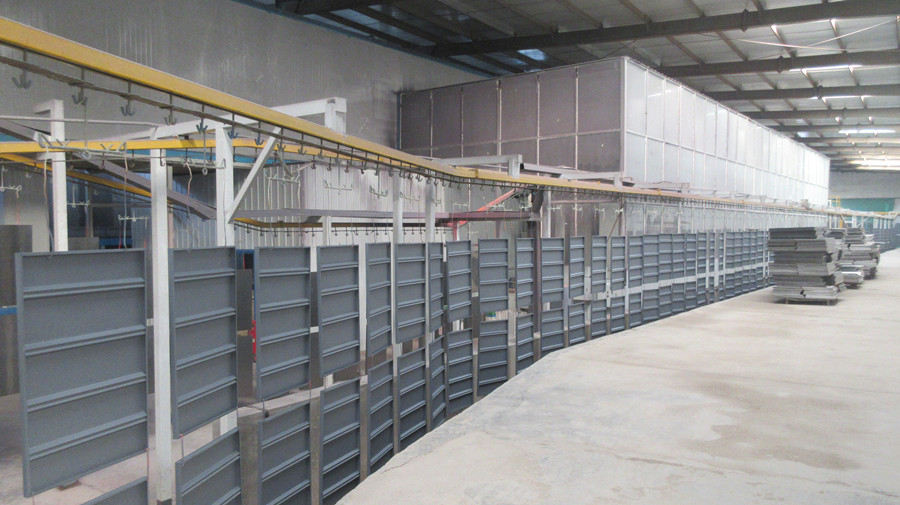
Quality assurance is integral to our operations. Our dedicated team of 35 QC specialists conducts strict multi-stage quality inspections, including incoming steel spectrum analysis, automated weld defect detection, powder coating thickness tests, and real-time load capacity simulation testing to guarantee full structural safety and compliance.
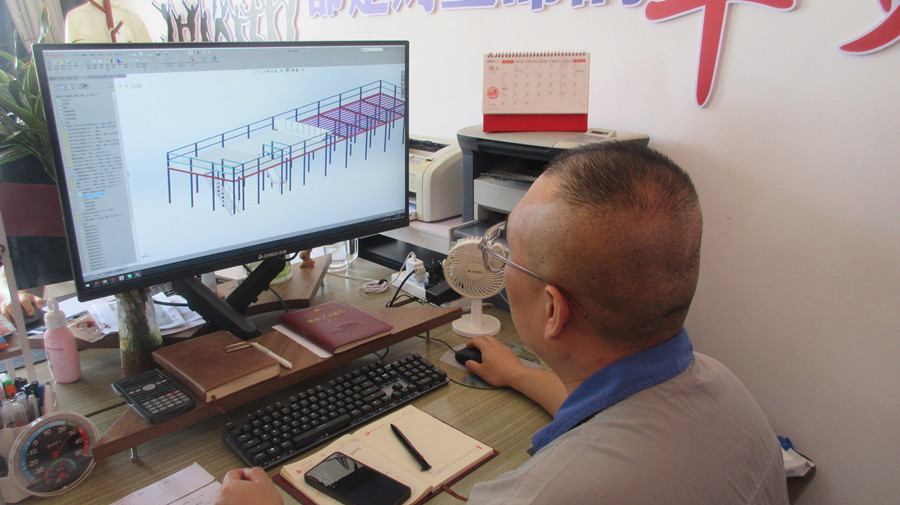
Powering our competitive edge is an experienced R&D team of 18 engineers. Chaoyu released over 120 new storage designs and customized racking solutions last year alone. We offer fully versatile OEM and ODM customization options, including dynamic layout planning, load-bearing specification tailoring, custom powder-coating colors, and anti-corrosion surface treatments.
Whether executing complete automated warehouse installations or custom heavy-duty unit racks, Shenzhen Chaoyu Goods Shelf Co., Ltd. delivers high-performance storage solutions tailored to every client's operational workflow, supporting long-term scale and logistics efficiency.
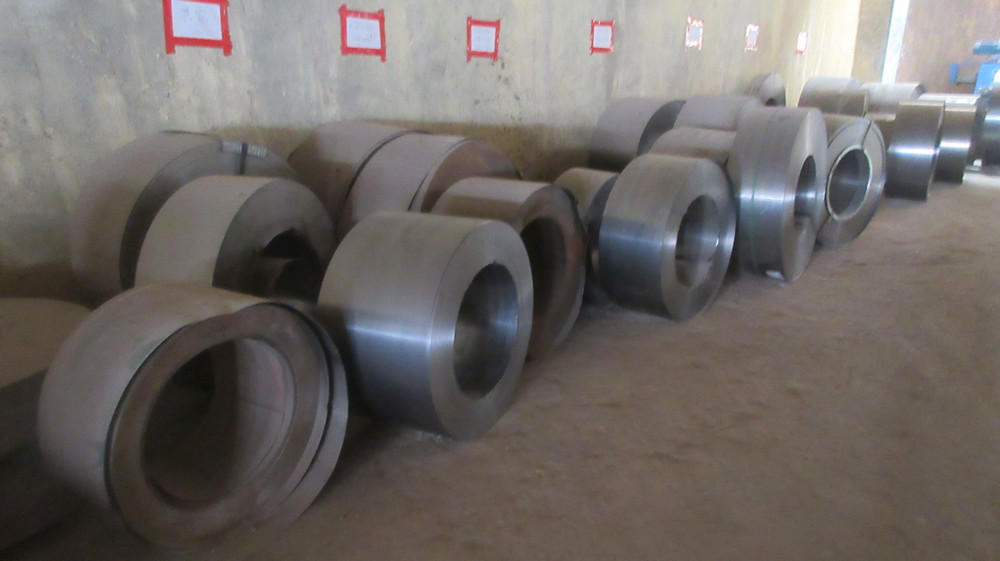
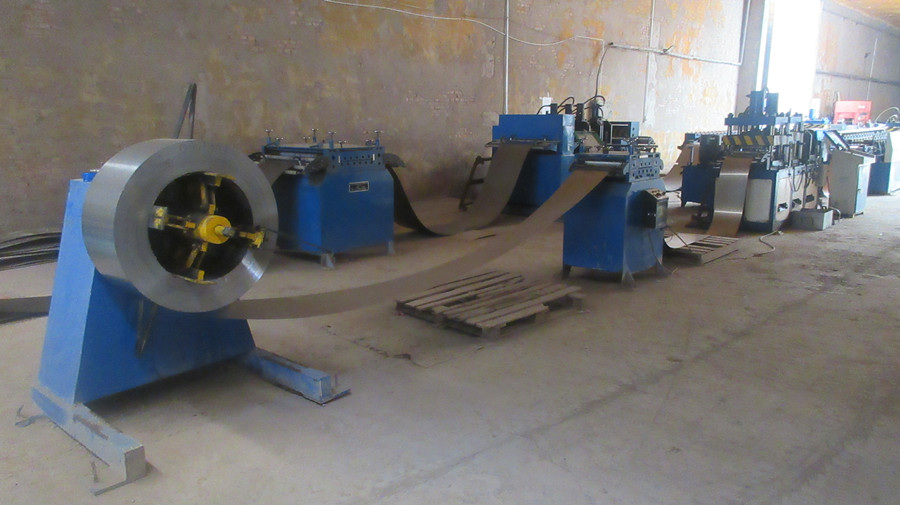
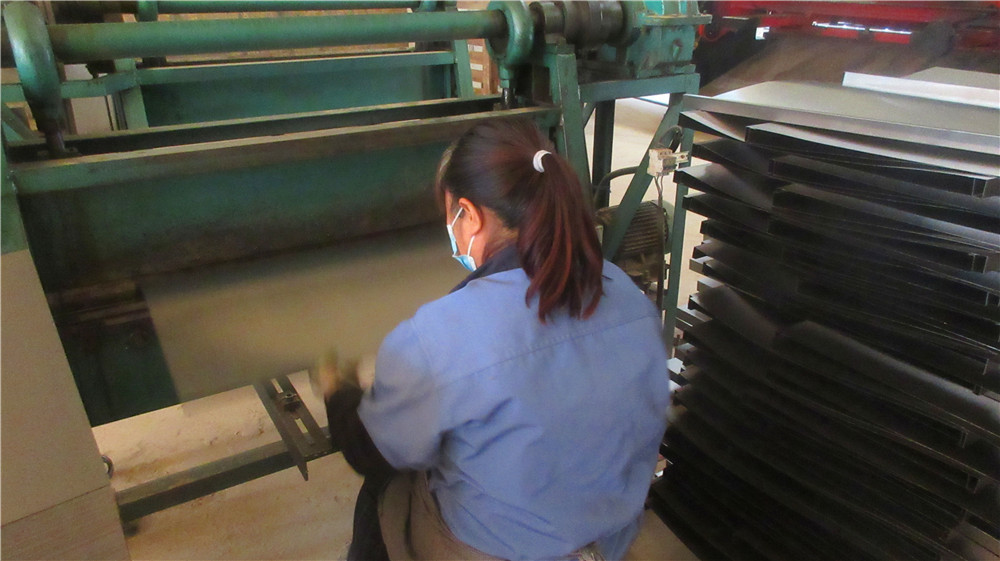
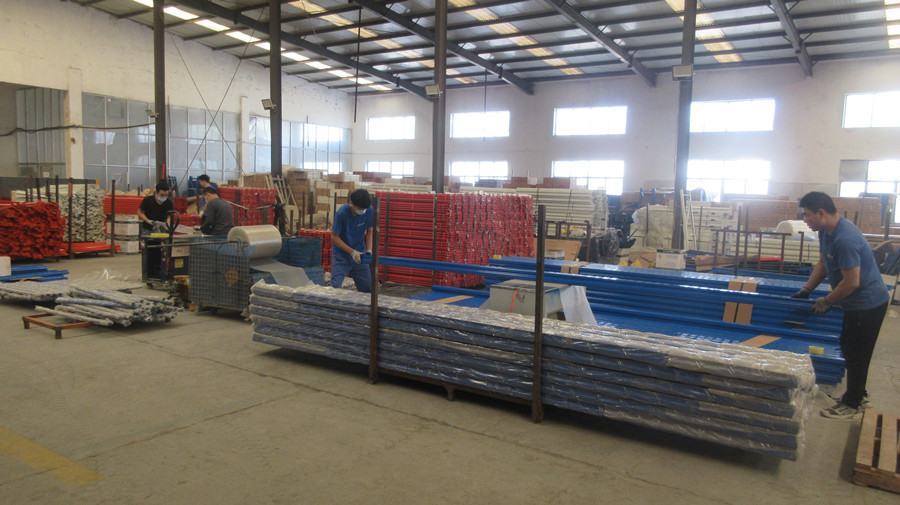
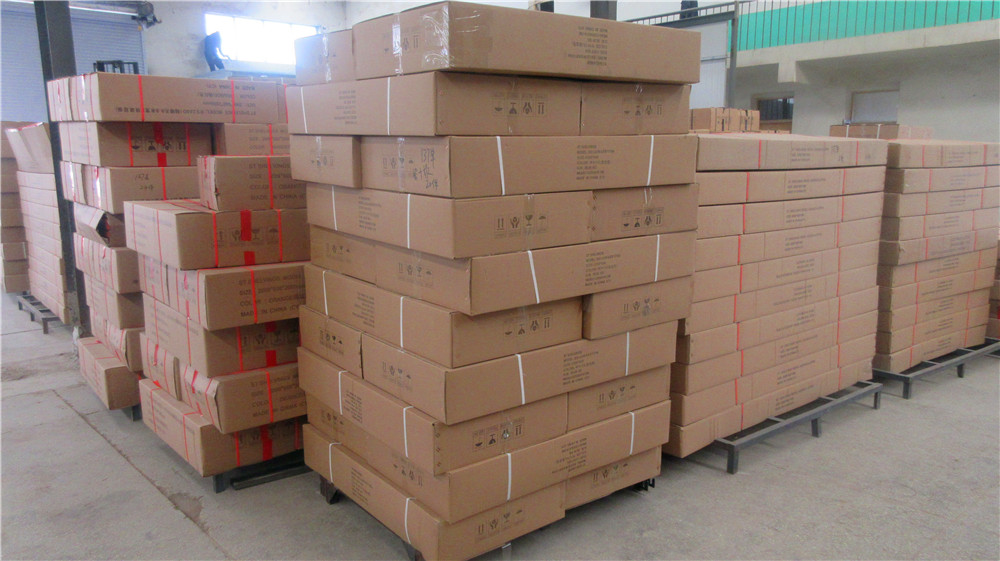
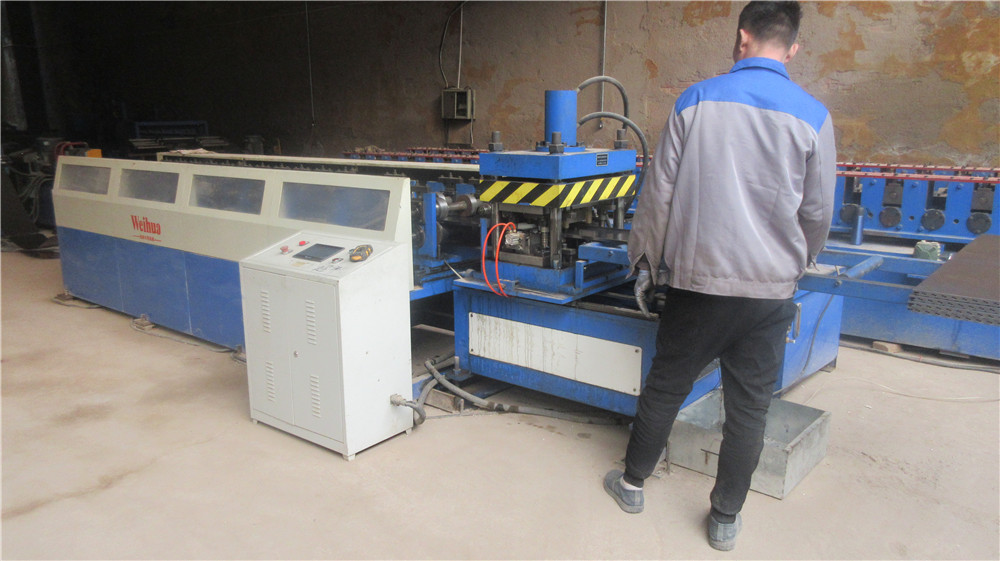
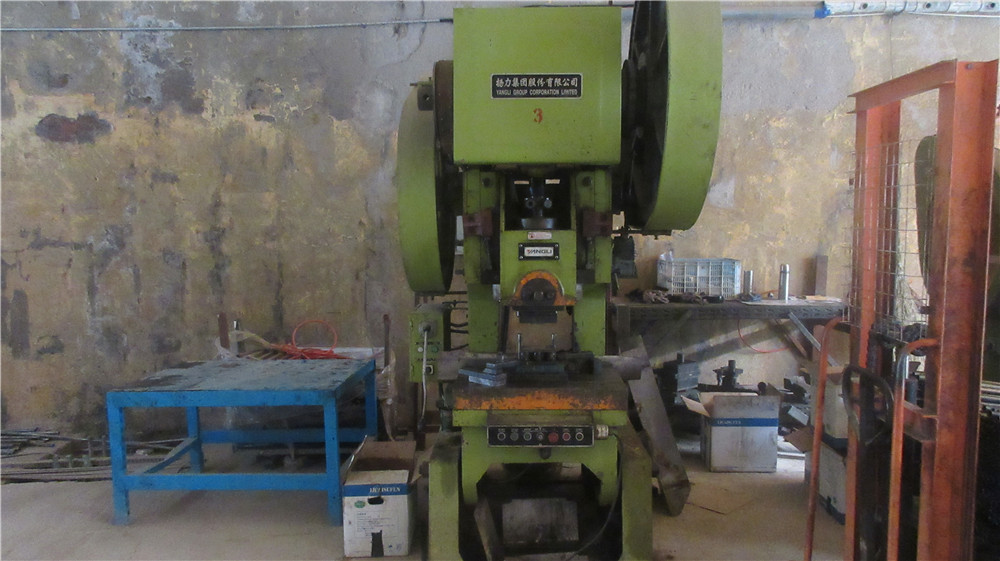
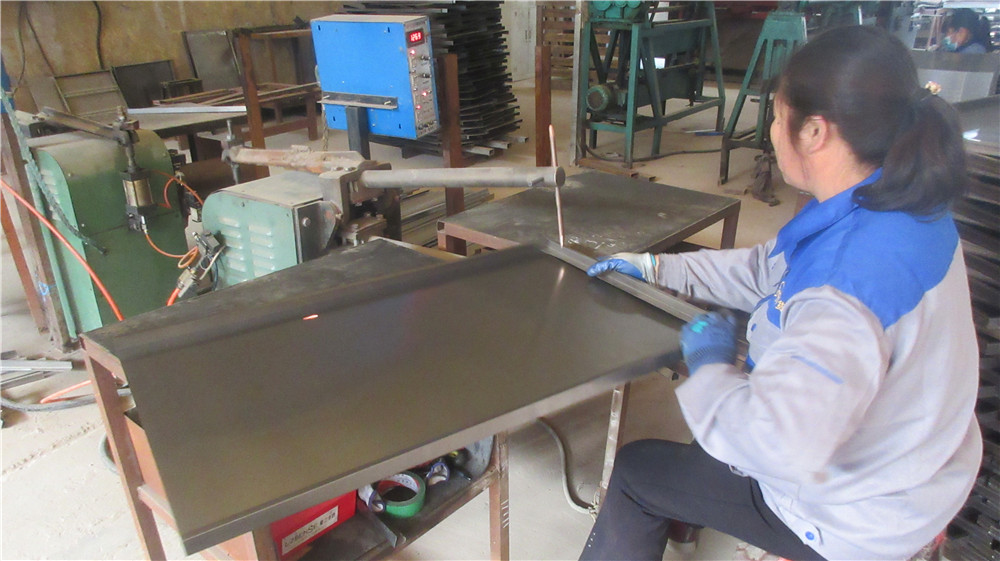
Inside our modern 32,000 m² manufacturing plant. We deploy automated processing lines to guarantee dimensional precision and high structural yield.
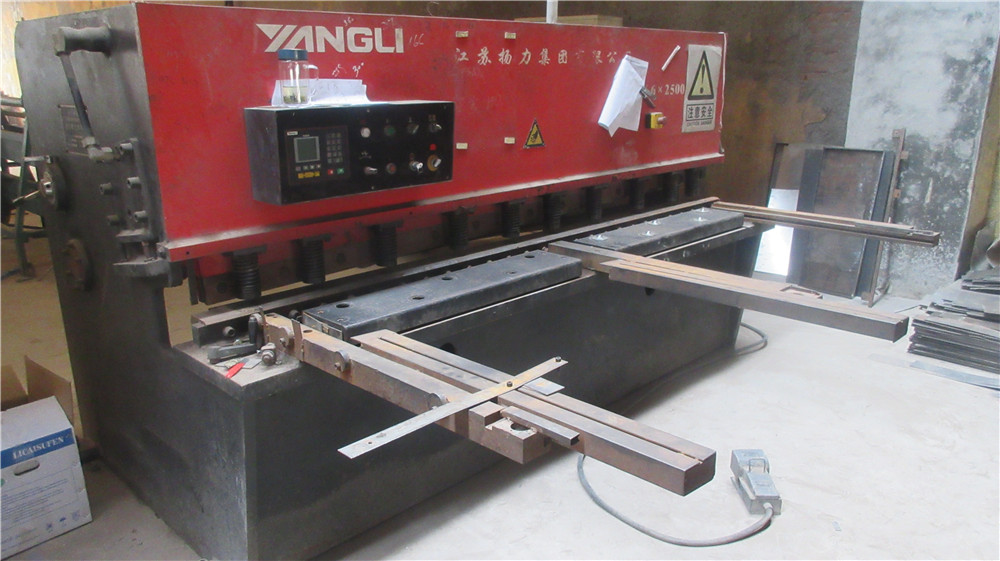
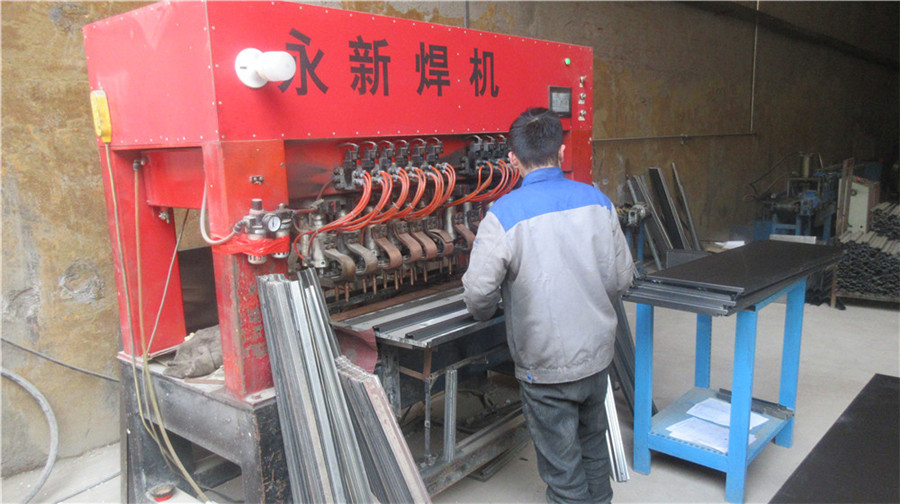
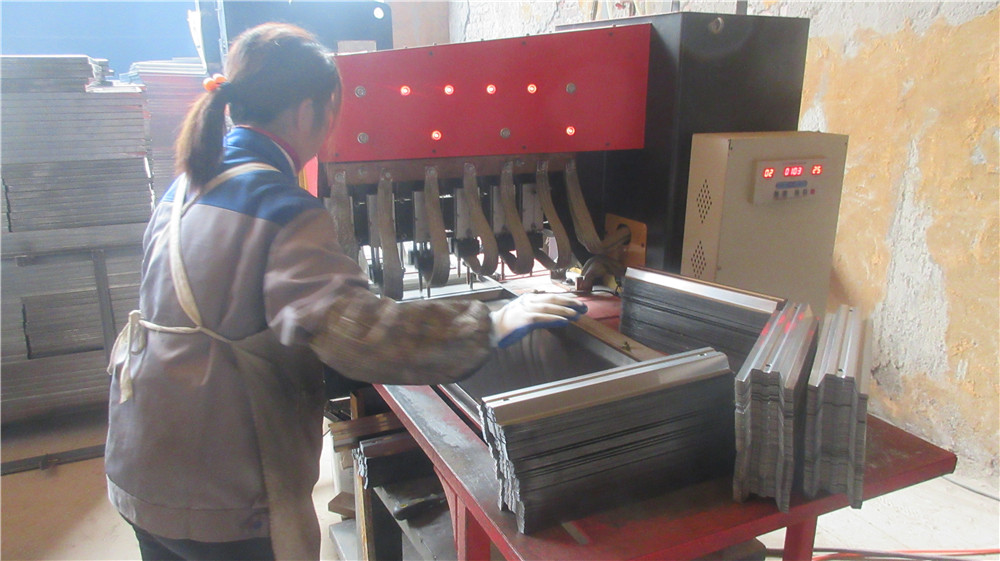
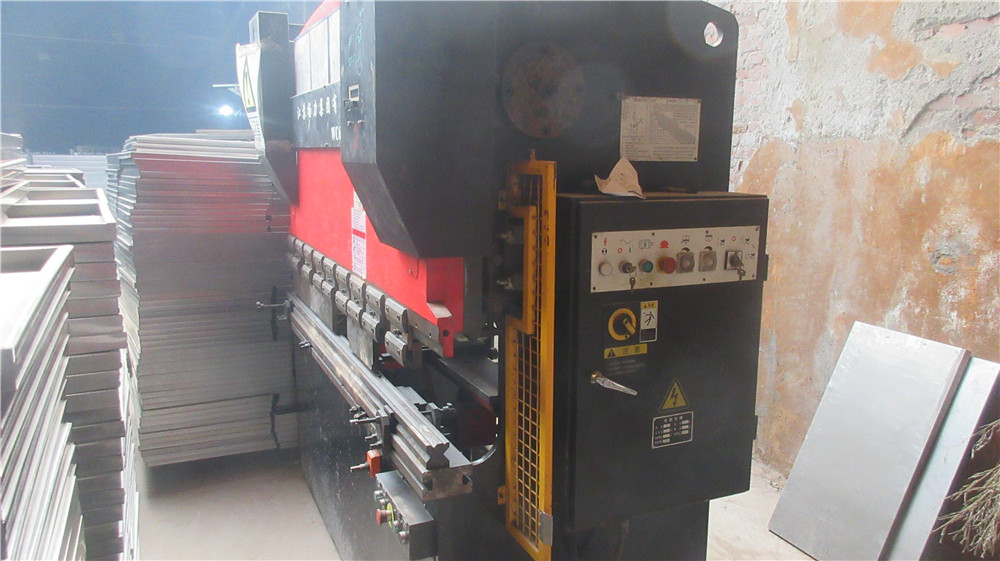
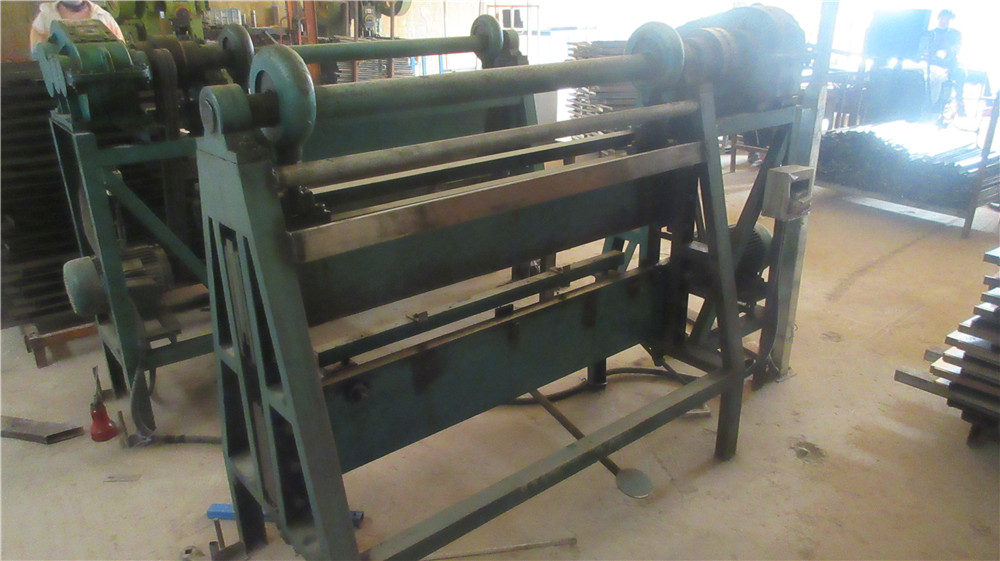
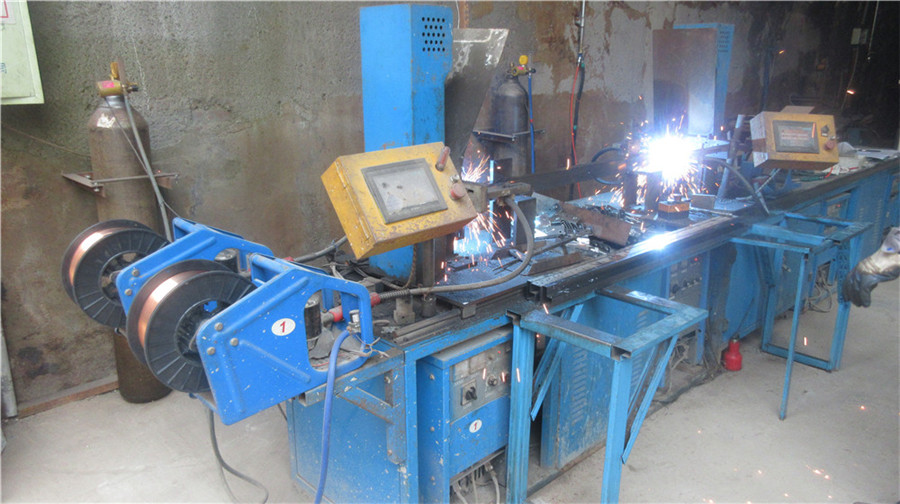
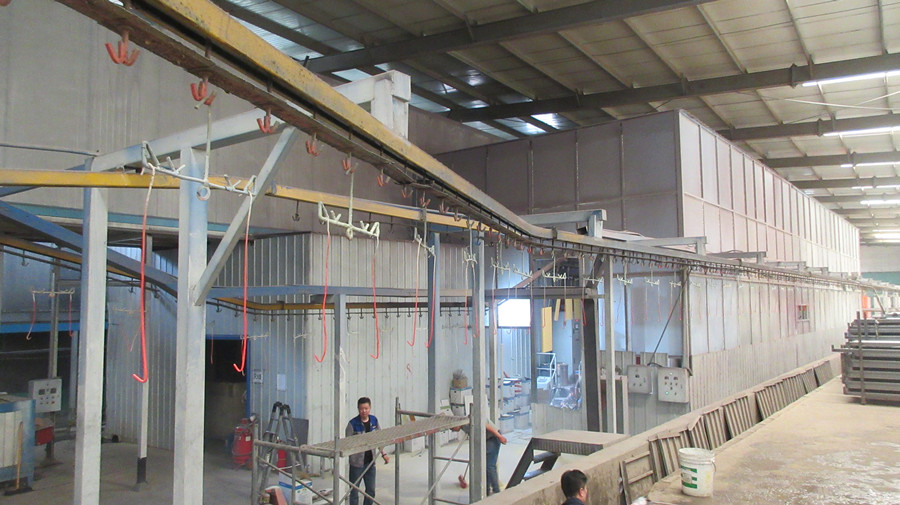
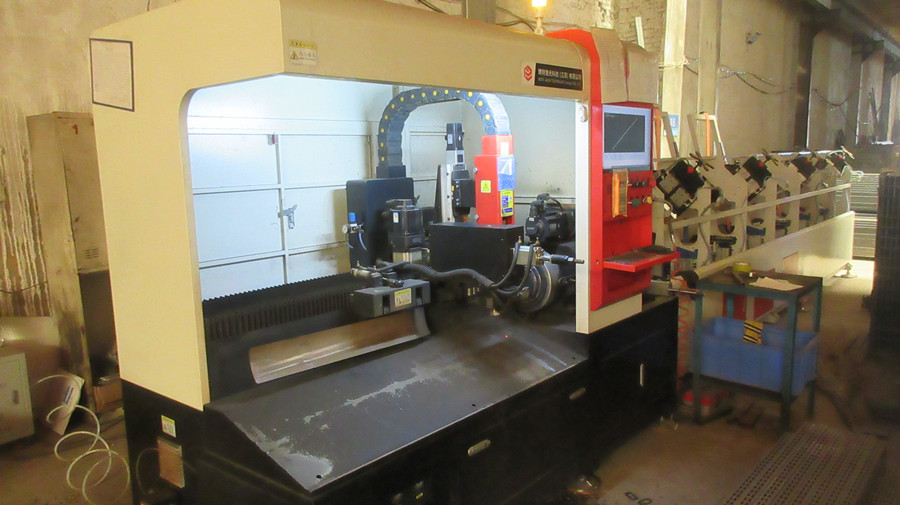
Industrial applications designed to resolve logistical bottle-necks, enhance inventory accessibility, and guarantee workplace safety.
Our heavy-duty cantilever racks store plywood packs, MDF panels, and long structural timber. By removing front columns, forklift operators can stack and retrieve bundles of varying lengths without damaging raw materials.
Designed for steel warehouses and metal fabrication shops. Capable of handling structural tubing, copper pipes, and heavy steel beams. Optional end stops prevent cylindrical profiles from rolling off the arms.
Perfect for storing car chassis components, heavy dies, and manufacturing molds. Highly compatible with automated overhead cranes and specialized side-loader forklifts to streamline assembly line feeds.
Cantilever racks demand precise mechanical calculations. Our engineering division ensures every configuration is validated against severe load stress testing.
Industrial safety standards dictate that cantilever upright columns and arms must support vertical loads without structural deformation. Shenzhen Chaoyu implements Finite Element Analysis (FEA) to verify stress points, particularly where the arm connects to the column. Our design uses high-tensile steel grades like Q235B and Q355B to ensure durability under heavy capacities.
The load-carrying capacity of a cantilever system depends on arm length, column spacing, and load distribution. Proper calculations require adding a minimum safety factor of 1.5, in compliance with European FEM 10.2.09 and American ANSI/RMI MH16.1 design codes. Adjustable arm connectors utilize heavy-duty pivot pins that rotate upwards upon forklift impact, preventing costly structural failures.
| Technical Parameter | Standard Specification Range |
|---|---|
| Material Grades | Premium Q235B & Q355B Carbon Steel |
| Upright Height Limit | Up to 12,000 mm (Customizable) |
| Arm Length Options | 500 mm to 2,000 mm (Straight or Inclined) |
| Load Capacity Per Arm | 200 kg to 2,500 kg (Static Uniformly Distributed Load) |
| Surface Protection | Electrostatic Powder Coating or Hot-Dip Galvanized |
| Seismic Categories | Engineered for Seismic Zones A through F |
How we reduce risk, resolve engineering challenges, and streamline international procurement.
Our engineering team designs custom structural base layouts matched to your region's seismic profile. We supply detailed calculation packs and certificates to simplify localized safety approval processes with building inspectors.
Leveraging 8 years of export operations, we provide all required shipping documentation, classification codes (HS Code: 7308.90), and certs of origin. This minimizes import duties and ensures smooth custom clearance.
We work with international inspection bodies including SGS, TÜV, and Intertek. Buyers can request raw material chemical analysis, ultrasonic weld testing, and powder coat thickness verification reports.
Industrial logistics is shifting toward automated, software-driven space management. Here is how cantilever designs are adapting:
Traditional cantilever setups rely on manually operated forklifts. Modern high-density warehouses are increasingly deploying Automated Storage and Retrieval Systems (ASRS) that travel down narrow aisles to store and retrieve long loads. This requires tighter manufacturing tolerances (+/- 1mm dimensional variance) to prevent autonomous crane system jams.
Shenzhen Chaoyu uses high-precision roller presses and automated punching machines to meet these tight tolerances, ensuring our racking systems are ready for next-generation robotic logistics.
Expert answers to common engineering, structural, and procurement questions.
Heavy duty pallet racking, display shelving, storage containers, and custom material handling equipment.
 Chaoyu Storage