The growth of Automated Storage and Retrieval Systems (ASRS Systems) in China showcases a significant shift in logistics and supply chain management. Recent reports indicate that the ASRS market in China is projected to expand at a CAGR of around 12.5% from 2023 to 2028. This growth signals an increased demand for efficiency and accuracy in warehousing, something that traditional systems struggle to provide.
In China, leading ASRS Systems focus on enhancing productivity while minimizing labor costs. Enterprises now require systems that can handle high volumes and diverse products. A notable example is the use of ASRS in e-commerce, where efficiency can make or break sales. Despite the advancements, some companies still experience challenges in integration and scalability. These issues often arise from older infrastructure or inadequate training.
Investing in ASRS Systems brings many benefits, but careful consideration is vital. Buyers must evaluate their specific needs and potential drawbacks. As the market evolves, the focus on automated systems will only intensify, making it critical for global buyers to stay informed. Understanding the landscape will help in making informed decisions that align with future demands.
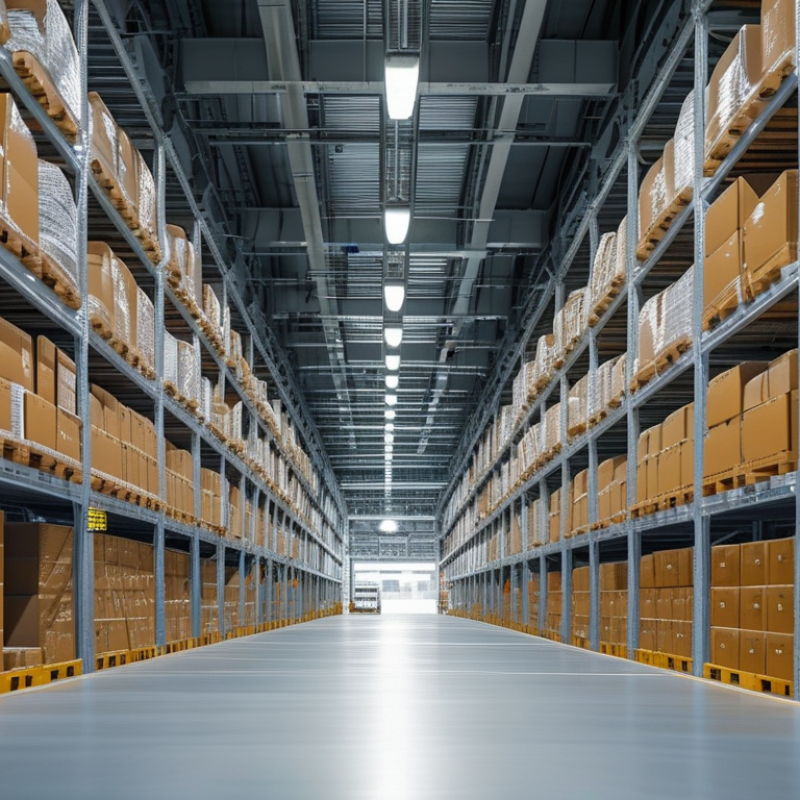
Overview of Automated Storage and Retrieval Systems (ASRS) in China
Automated Storage and Retrieval Systems (ASRS) in China are revolutionizing supply chain management. These systems improve efficiency and accuracy in warehouses. They reduce human error and maximize storage space. Companies invest in ASRS to cope with rising demand for quick deliveries.
The technology employs robotics and software for inventory management. Many systems utilize high-density storage, optimizing floor space. Operators gain real-time data, enabling better decision-making. However, not all ASRS implementations go smoothly. Integration challenges, high costs, and specialized workforce needs can hinder progress. Companies must evaluate their unique needs carefully.
Some ASRS designs are overly complex, leading to maintenance issues. This impacts reliability and can cause delays. Additionally, dependence on technology raises concerns about cybersecurity threats. Businesses need to regularly assess their strategies for safe and effective operation. Embracing ASRS is a journey that requires reflection and adaptation.
Key Features to Consider When Selecting ASRS Systems for Efficiency
When choosing an Automated Storage and Retrieval System (ASRS), efficiency is key. Buyers should consider several critical features. One important feature is the system's throughput capacity. Reports show that robust ASRS systems can achieve a throughput increase by up to 40%. This can significantly impact warehouse operations, especially for high-demand inventory.
Another aspect to evaluate is the system’s adaptability. Flexible ASRS structures can handle various types of goods. According to industry data, systems that accommodate multiple SKUs reduce handling costs by nearly 30%. Yet, some systems are rigid, causing inefficiencies in diverse environments. Buyers must be cautious.
User interface and software integration are also vital. Systems with intuitive interfaces lead to fewer user errors. Data indicates that companies with user-friendly systems experience a 25% drop in training time. However, not all software is equally effective. Some systems may require additional training, adding unexpected costs.
Cost-benefit analysis remains essential. While some systems promise high efficiency, hidden costs can negate savings. Regular maintenance and potential system downtime must be factored into decisions. Buyers should pursue thorough assessments for long-term gains.
Top ASRS Providers in China: An In-Depth Comparison
In recent years, China's Automated Storage and Retrieval Systems (ASRS) have gained attention from global buyers aiming for enhanced efficiency. The rapid growth of e-commerce and manufacturing has driven the demand for these advanced systems. According to a report by the China Logistics and Purchasing Federation, the ASRS market in China has seen an annual growth rate of over 25% since 2020. This growth highlights the significance of ASRS in optimizing warehouse operations and improving inventory management.
When considering different ASRS providers, it's crucial to evaluate storage capacity, retrieval speed, and system scalability. An in-depth comparison reveals that many systems can reduce retrieval times by up to 30% compared to traditional methods. However, potential buyers should be cautious. Some systems might require extensive integration efforts or lack after-sales support. Ensuring that the chosen provider offers robust maintenance services is essential for long-term efficiency.
TIP: Always assess the total cost of ownership, not just the initial investment. A seemingly low-cost system may incur hidden costs during operation. Additionally, consider pilot testing systems to identify any flaws before full implementation. Working with experienced consultants can provide insights and help navigate potential challenges.
Case Studies: Successful Implementations of ASRS in Various Industries
Automated Storage and Retrieval Systems (ASRS) have revolutionized inventory management across various industries. One notable case study involves a manufacturing firm that faced significant space constraints. By implementing an ASRS, they optimized their storage capacity, reducing the floor space needed by 40%. This move not only streamlined operations but also improved order picking time, leading to increased productivity.
In the retail sector, a grocery chain achieved remarkable results by integrating ASRS into their distribution centers. This system enabled them to manage their inventory with precision. The use of real-time data analytics improved stock levels, reducing waste significantly. However, they encountered challenges during the integration phase. Initial resistance from staff highlighted the importance of change management in technology adoption.
Another intriguing example comes from the automotive industry. An ASRS helped a parts supplier minimize lead times and enhance delivery accuracy. By automating the retrieval process, they reduced human error. Despite these advancements, the system’s reliance on technology introduces vulnerability. If maintenance is overlooked, performance can decline, leading to costly downtime. Overall, these case studies reflect the multidimensional impact of ASRS, proving both beneficial and complex in their implementation.
Future Trends in ASRS Technology and Their Impact on Global Buyers
The landscape of Automated Storage and Retrieval Systems (ASRS) is evolving rapidly, particularly in China. According to a recent industry report, the market is projected to grow at a CAGR of 12% through 2025. This surge is driven by the increasing demand for efficiency in warehousing operations. Companies seek systems that not only streamline storage but also improve retrieval speeds and reduce labor costs.
Emerging technologies in ASRS are reshaping global buyer expectations. Enhanced integration of artificial intelligence and machine learning allows for real-time data analysis. This results in smarter inventory management and more responsive logistics. However, it is essential to address the challenge of technology adoption. Not all companies are ready to implement such advanced systems due to initial costs and operational disruptions during the transition.
Moreover, sustainability is becoming a vital consideration. Buyers are looking for energy-efficient solutions that minimize environmental impact. Research suggests that 65% of logistics firms prioritize sustainability in their procurement decisions. Balancing efficiency and eco-friendliness poses a complex challenge for manufacturers. The path forward requires continuous innovation and adaptation to meet these dual demands.
Top 10 ASRS Systems in China for Global Buyers Seeking Efficiency
| Rank |
System Type |
Capacity (Units per Hour) |
Technology |
Energy Efficiency (kWh/Unit) |
Lead Time (Weeks) |
| 1 |
Automated Pallet Warehouse |
150 |
Robotic and AI |
0.5 |
12 |
| 2 |
Mini-load ASRS |
300 |
Shuttle System |
0.4 |
10 |
| 3 |
Vertical Lift Module |
200 |
Vertical Storage |
0.6 |
8 |
| 4 |
Automated Tote System |
250 |
Conveyor and Robotics |
0.5 |
9 |
| 5 |
Automated Storage and Retrieval |
100 |
Robotic Arms |
0.7 |
11 |
| 6 |
Deep Lane Storage |
180 |
Automated Vehicles |
0.4 |
10 |
| 7 |
High-Density Storage System |
220 |
Modular Robotics |
0.5 |
12 |
| 8 |
Free-Range ASRS |
160 |
Mobile Robots |
0.6 |
11 |
| 9 |
Hybrid Storage System |
190 |
AI and Automation |
0.45 |
9 |
| 10 |
Cloud-Based ASRS |
250 |
Cloud Integration |
0.5 |
10 |
FAQS
Choose flexible systems that can handle various goods. Rigid systems may lead to inefficiencies.
Intuitive interfaces reduce user errors. Companies see a 25% drop in training time with user-friendly systems.
Maintenance and downtime can negate savings. Perform a thorough cost-benefit analysis before deciding.
Confirm that the provider offers robust maintenance services. Assess total cost of ownership diligently.
Many systems can reduce retrieval times by up to 30%. This leads to faster warehouse operations.
Yes, testing helps identify flaws before full implementation. It’s a beneficial step for buyers.
It's crucial for long-term success. Some systems may lack adequate support, leading to challenges.
Effective integration is vital. Some systems may need extra training, which can add unexpected costs.
Greater storage capacity ensures that high-demand inventory is managed efficiently, reducing handling costs.
Conclusion
Automated Storage and Retrieval Systems (ASRS systems) have become essential for businesses in China seeking enhanced operational efficiency. This article provides an overview of the key features to consider when selecting ASRS systems, emphasizing aspects such as speed, accuracy, and adaptability. By comparing various top ASRS providers, readers gain insights into the most effective solutions tailored for specific industry needs.
The article further includes case studies showcasing successful ASRS implementations across diverse sectors, demonstrating measurable benefits such as reduced labor costs and improved inventory management. Finally, it discusses future trends in ASRS technology, highlighting innovations that may significantly influence global buyers searching for more efficient storage solutions.

 Chaoyu Storage