In today's fast-paced logistics landscape, Pallet Storage plays a pivotal role in supply chain efficiency. Experts like John Smith, a well-known authority in warehousing solutions, emphasize its significance. He states, “Efficient pallet storage can transform your supply chain, minimizing delays and maximizing space.”
Pallet Storage optimizes storage capacity and improves access to products. With limited warehouse space, strategic palletization helps companies utilize every inch effectively. This approach not only reduces clutter but also enhances inventory management. However, it requires continuous evaluation to maintain optimal organization.
Despite its advantages, many businesses face challenges in implementing effective pallet storage systems. Mismanagement can lead to inefficiencies and increased operational costs. Companies must regularly assess their practices. Adopting innovative technologies can support these efforts. In this ever-evolving field, staying informed and adaptable is crucial for success.
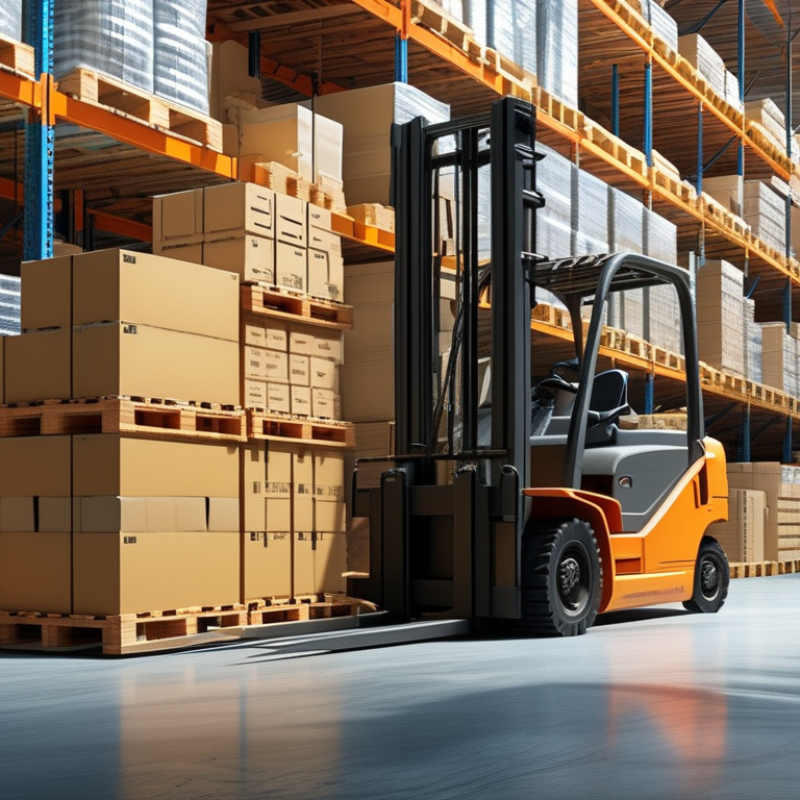
Pallet storage plays a crucial role in optimizing supply chains. Efficient pallet storage systems enhance space utilization in warehouses. This creates a streamlined environment where products are easily accessible. Proper configuration of pallet racking can increase productivity significantly.
Using pallets promotes faster loading and unloading processes. It reduces manual handling, which minimizes risks of damage and injuries. However, improper pallet management can lead to overcrowding and chaos. This inefficiency may hinder operations and increase costs.
Moreover, investing in advanced pallet storage solutions is important. They offer flexibility for various products. But one must ensure regular maintenance to avoid deterioration. Thoughtful pallet organization can prevent wasted time and ensure smooth operations. Balancing efficiency and safety is essential for a successful supply chain.
Pallet storage plays a vital role in supply chain management. Using pallets in warehousing systems provides numerous advantages that enhance efficiency. First, pallets enable easier handling of goods. They allow for quicker loading and unloading, reducing labor costs. This simplification leads to faster turnaround times, which is crucial in meeting customer demands.
Storage organization also improves with pallets. By standardizing storage methods, warehouses can optimize space utilization. Vertical stacking on pallets maximizes available area. In contrast, disorganized setups can lead to wasted resources and time. Consider the time lost searching for misplaced items. This disarray impacts the entire supply chain.
A few strategies can further improve pallet usage. Regularly inspect pallets for damage. A damaged pallet can lead to accidents or product loss. Training employees on proper stacking techniques can enhance safety. Properly stacked pallets reduce the risk of inventory damage. Efficient pallet management fosters a reliable warehousing system. A streamlined operation can make a significant difference in productivity.
Efficient pallet storage plays a crucial role in inventory management. Proper organization of pallets reduces the time staff spend picking items. It helps streamline order fulfillment processes. When pallets are stored effectively, the warehouse space is utilized to its fullest potential. This not only enhances productivity but also minimizes the risk of errors in picking and shipping.
Mismanagement in pallet storage can lead to issues like overstocking or stockouts. A cluttered storage area can cause delays and confusion. Workers may struggle to find items, resulting in wasted time. Investing in proper pallet storage infrastructure can mitigate these risks. Integrating technology, such as pallet tracking systems, can further improve inventory visibility and accuracy.
Continuous assessment of pallet storage practices is essential. Regular audits can identify inefficiencies that may arise over time. Relying on outdated methods can hinder a business’s ability to adapt to changing demands. By focusing on effective pallet storage, companies can create a more responsive inventory management system. This adaptability can be a game-changer in today’s fast-paced market.
Pallet storage is a critical component for managing the supply chain effectively, especially in handling different types of goods. An effective pallet storage solution not only organizes inventory but also enhances the accessibility of products. According to a report by the Warehousing Education and Research Council, nearly 85% of warehouses utilize pallet racking systems. This shows that they are essential in modern logistics settings.
When it comes to various goods, the type of pallet storage method may differ. For example, bulk items may benefit from drive-in pallet racks, maximizing space by enabling the storage of multiple pallets deep into the rack. On the other hand, products with quick turnover might be better suited for selective pallet racks. A recent study revealed that companies employing high-density pallet storage systems could increase their storage capacity by up to 50%. However, not every storage solution fits every product type, and this requires careful evaluation.
Challenges arise when trying to optimize space while ensuring easy access to each item. Inventory flow can be disrupted if pallet configurations don't align with the inventory turnover rates. Operators often overlook the importance of correctly matching goods to the right storage methodology, leading to inefficiencies. Therefore, thorough analysis of product types and their specific storage needs becomes crucial in maximizing efficiency in supply chain management.
Implementing effective pallet storage solutions is crucial for logistics efficiency. According to a report by the Warehousing Education and Research Council, proper pallet management can reduce warehouse space usage by 30%. This improvement leads to increased storage capacity without the need for costly expansions. Efficient pallet systems also streamline picking processes, which can enhance order fulfillment speed by up to 25%.
Creating organized pallet storage requires attention to detail. Consider the layout of your storage area. Group similar items together. This reduces time spent searching for products. Using standardized pallet sizes can also simplify stacking and inventory management. A study from the Council of Supply Chain Management Professionals highlights that optimizing pallet usage can cut handling costs by 15%.
It's essential to regularly evaluate your pallet storage strategy. Are your pallets damaged? Are they suitable for the products stored? Regular audits can identify weaknesses. Update your practices to reflect changes in inventory or product types. Small adjustments can lead to substantial cost savings over time. Establishing a continuous improvement mindset in pallet management ultimately supports the entire supply chain.
This chart illustrates the quarterly pallet utilization rates in a logistics environment, emphasizing the importance of effective pallet storage in supply chain management.
: Pallet storage optimizes space utilization and ensures products are easily accessible. It boosts productivity and efficiency.
Pallets enable faster loading and unloading. They reduce manual handling and minimize damage risks, enhancing overall operational flow.
Improper pallet management can lead to overcrowding and chaos. This inefficiency increases costs and can disrupt warehouse operations.
Regular maintenance prevents deterioration and ensures safety. It keeps the pallet system efficient and reliable over time.
Vertical stacking on pallets helps maximize storage space. Disorganized systems waste resources and lead to lost time searching for items.
Product types and their turnover rates are essential. Not every storage solution fits all goods, requiring a careful evaluation.
Regular inspections for damage are crucial. Additionally, training on proper stacking techniques can minimize risks and enhance safety.
Thoughtful pallet organization prevents wasted time. It leads to smoother operations and helps meet customer demands quickly.
Balancing space optimization and accessibility can be tricky. Mismatched storage methods can disrupt inventory flow and reduce efficiency.
Investing in advanced pallet solutions offers flexibility for various products. However, implementing them requires careful planning and ongoing maintenance.
Pallet storage is a crucial element for optimizing supply chain management, as it significantly enhances the efficiency of warehousing systems. By utilizing pallets, businesses can improve their inventory management, allowing for better organization and quicker access to goods. The key advantages of pallet storage include maximizing space utilization, facilitating easier handling, and streamlining the movement of products.
Moreover, different types of goods may require specific pallet storage solutions to ensure their safety and integrity. Implementing best practices in pallet storage logistics not only boosts operational efficiency but also supports a smoother supply chain flow. Overall, effective pallet storage plays a vital role in achieving a more streamlined and responsive supply chain, ultimately contributing to better service delivery and customer satisfaction.

Chaoyu Storage